
- News
- City News
- chennai News
- Madurai hospital horror: Dean says 3 deaths in ICU in an hour only a coincidence
Trending
This story is from May 9, 2019
Madurai hospital horror: Dean says 3 deaths in ICU in an hour only a coincidence
Minutes after one of the state’s largest medical facilities, Government Rajaji Medical College and Hospital, plunged into darkness after a power outage around 6.20pm on Tuesday, three patients being treated in the intensive care unit died.
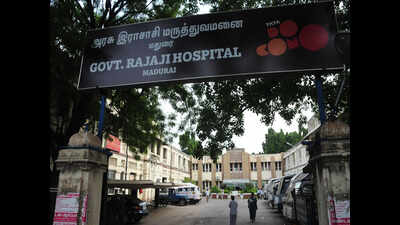
Government Rajaji Medical College and Hospital
Hospital dean K Vanitha, who ordered an internal inquiry, denied the deaths were connected to the power.
Top Picks For You
Madurai: Doctors used manual pumps to revive trauma patients
Times View
The government should order an independent external probe into the death of three patients at the Madurai GH. While the hospital claims the ventilator batteries were functional, that the backup generators didn’t kick in exposes the level of unpreparedness. Power outage in ICUs and operation theatres without backup can affect oxygen supply, mechanised drug delivery systems and monitors, resulting in fatalities. Investment on backup systems is never a drain on limited hospital resources; such incidents underscore their inevitability.
A senior doctor in the neurosurgery department told TOI that the battery backup wore off and six of the patients on ventilator support had to be given manual resuscitation for up to 20 minutes during the one hour outage. Doctors identified the patients who died as M Malliga, 58, of Melur in Madurai district, P Palaniammal, 60, of Oddanchatram in Dindigul and K Ravinderan, 52, from Srivilliputtur in Virudhunagar, all of who were on ventilator.
Hospital trying to cover up lapses, alleges relative
Mallika was being treated for swelling of a blood vessel in the brain after a surgery at a private hospital; Palaniammal was brought in with head injuries in a road accident. Ravinderan had suffered head injuries after a fall.
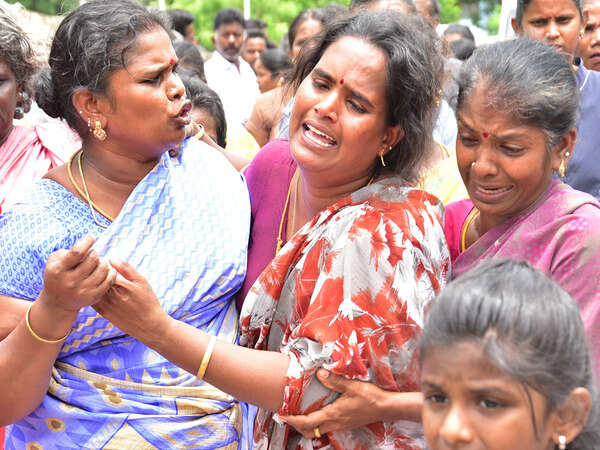
The three patients were declared dead between 6.20pm and 7.20pm. Their relatives, who were waiting outside the ward, watched helplessly as doctors, post-graduates and nurses moved about with torch lights and flashlights on mobile phones. “In 10 minutes, the three were dead. We were informed about it before 7pm. Two bodies were sent to the mortuary first, then the third one. We were asked to leave the room,” said A Ganesan, son-in-law of Malliga. “The hospital is trying to cover up its lapses.”
Some relatives said the doctors misled them, saying the patients were responding well to treatment. “I was told he was doing better,” said Ravinderan’s brother-in-law A Maricholan. “How did he suddenly die? How can three patients die around the same time?” he said.
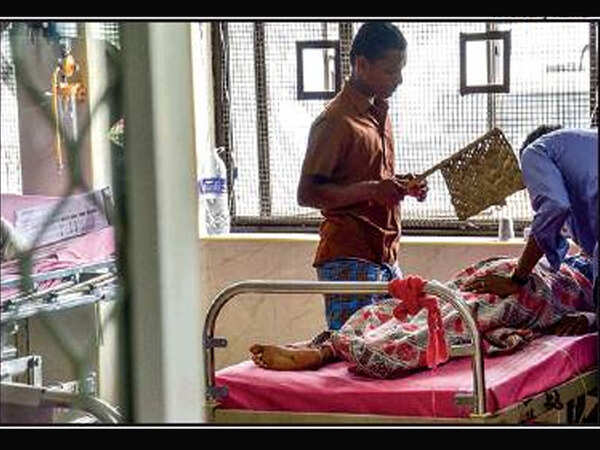
A senior neurosurgeon at the hospital said all the three patients had brain damage. “The relatives were frequently told that their condition was critical even when they were stable. The nine ventilators, in the ward, mostly imported, were all functional during the outage. “After the outage, we heard beep sounds indicating low charge. We gave them oxygen manually. But before that the three patients had suffered severe complications of brain damage. Three other patients in the same ward are alive,” he said.
Dean Vanitha said three deaths in quick succession was a coincidence. “At least four to five deaths happen a day in the trauma care ward as many of them are in a critical condition,” she said.
Health secretary Beela Rajesh told TOI said the preliminary report from the dean did not indicate power failure led to the deaths. “It says cardiac arrest was the cause of deaths. There were 11 patients on ventilators at that time,” she said.
End of Article
FOLLOW US ON SOCIAL MEDIA








Photostories

Hot Picks
TOP TRENDING
Popular Categories
Hot on the Web
Top Trends
Israel Hezbollah WarIndia Qualifying ScenarioBaba Siddique NewsPakistan Cricket TeamRussell WilsonsSpacex StarshipRahul DravidBabar AzamNTA SWAYAM July RegistrationLawrence BishnoiAmazon LayoffsTaylor SwiftManagement Colleges of IndiaTop Medical Colleges of IndiaTop Engineering Colleges of IndiaTop Pharmacy Colleges of IndiaLive Cricket Score
Trending Topics
Diwali WishesNara RohithBaba SiddiqueShraddha KapoorVettaiyan CollectionVettaiyan ReviewNatasa StankovicDevara CollectionBigg Boss 18Deepika PadukoneShraddha KapoorRatan Tata Passed AwayJigra Movie ReviewVettaiyan Movie ReviewSwatantrya Veer SavarkarDussehra 2024Star Health Hacker DemandedViral MemesUltimate Football Codes October 2024Wordle Answer
Living and entertainment
Latest News
10 deadliest snakes in Australia and know their venom toxicityOver 70 injured at Devaragattu Banni stick festival during Dussehra celebrationsPassion missing, players don’t want to work hard, lament former intl’sHow tomato, potato, onion influence food inflationExclusive: Aishwarya Khare recalls his childhood memories of Dussehra, says 'my father used to take us all to watch Ram Leela and Ravan Dahan'Reliance Jio sends 'complaint letter' to telecom minister Jyotiraditya ScindiaWomen's T20 World Cup: Why India need Pakistan victory over New Zealand to secure semifinal berthCops probing Bishnoi gang's links to Siddique's murderKrushna Abhishek shares a heartwarming post for mama Govinda; says 'jab body mein adha blood supremely talented actor Govinda ka ho...'Exclusive! With the work experience I have, I didn’t get the desired increment, says Neil BhattPapankusha Ekadashi 2024: Date, Parana Time, Puja Rituals and SignificanceNorth Korea preparing to demolish inter-Korean roads, claims South KoreaAI’S OppenheimerRajveer Singh’s inspiring transformation on completing a decade in the TV Industry, says 'My passion for becoming an actor fueled my determination'India's Best Dancer 4: Karisma Kapoor recalls celebrating her favourite festival with granddad Raj Kapoor, says 'I used to go to RK studios for my Dadaji's Holi parties'Ashton Kutcher and Mila Kunis consider leaving Hollywood amid Sean 'Diddy’ Combs' arrest fallout: ReportRG Kar issue: Junior doctors' hunger strike enters 10th day, another protesting medic hospitalisedPolice arrest 35 Pakistan Tehreek-e-Insaf activists ahead of protest
Copyright © 2024 Bennett, Coleman & Co. Ltd. All rights reserved. For reprint rights: Times Syndication Service